
Physical Hazards

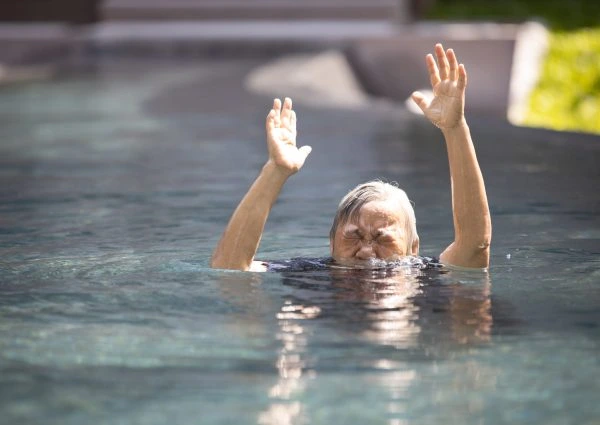
Swimming pools, while enjoyable and a great way to stay active, can pose several health and safety risks especially for older adults. If the pool water is not properly treated or filtered, it can harbor harmful bacteria, viruses, and parasites such as E. coli, Cryptosporidium, or Legionella, which can cause skin rashes, ear infections, stomach issues, and even respiratory illness. Additionally, being under the influence of alcohol or medications that affect balance, coordination, or alertness increases the risk of drowning or accidents. Slippery surfaces around the pool edge also present a serious fall risk, which can lead to fractures or head injuries, particularly in older adults with limited mobility or balance issues. Staying hydrated, avoiding solo swims, and ensuring pool cleanliness can help reduce these hazards.
Yes. Poorly maintained pools can contain bacteria, viruses, and parasites like E. coli, Cryptosporidium, and Legionella, which may cause skin rashes, stomach illness, ear infections, or breathing problems.
It depends on the medication. Some drugs can cause drowsiness, dizziness, or confusion, increasing the risk of drowning or injury. Always consult your doctor before swimming if you’re taking new or sedating medications.
Balance issues, slower reflexes, and weaker bones make older adults more vulnerable to slips, falls, and drowning, especially on wet surfaces or when climbing in and out of the pool.
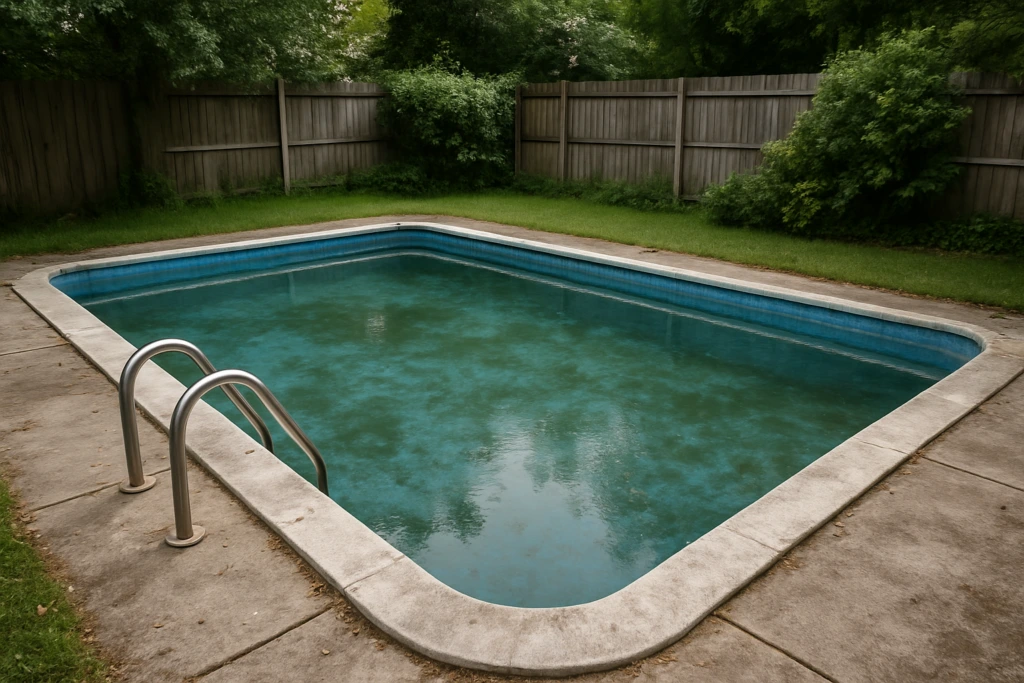
The water should be clear, with a slight chlorine smell, and the surfaces should be clean and not slimy. Avoid pools that are cloudy, green, or smell strongly of chemicals or mildew.
Walk slowly, wear non-slip footwear, and use handrails when available. Keep towels and objects off walkways to avoid tripping hazards.
Yes. Even in clean water, open cuts or sores are at risk of infection. It’s best to cover wounds with waterproof bandages or avoid swimming until healed.