
Physical Hazards
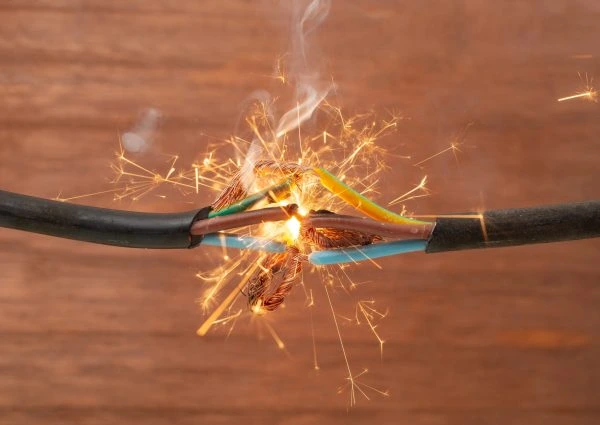
Electrical hazards in the home can lead to shocks, burns, or fires, especially for older adults with slower reflexes or vision issues. Overloaded outlets, frayed cords, faulty appliances, and using electrical devices near water are common dangers. Warning signs like flickering lights or hot outlets should never be ignored, as they may signal a serious risk.
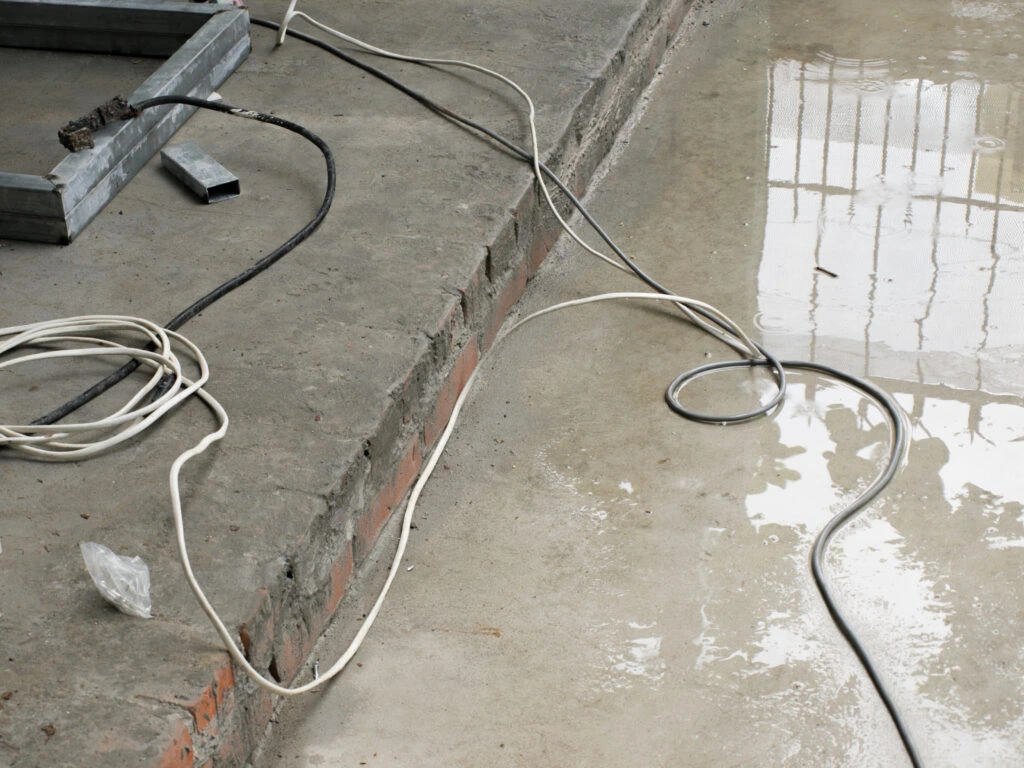
If electrical wiring gets wet, this can be a huge problem. Be sure that there aren’t any electrical appliances near water no matter where it is in the home. Always make sure that wherever an electrical appliance is, the area is dry. This can cause fires and even the power to cut off around the home.
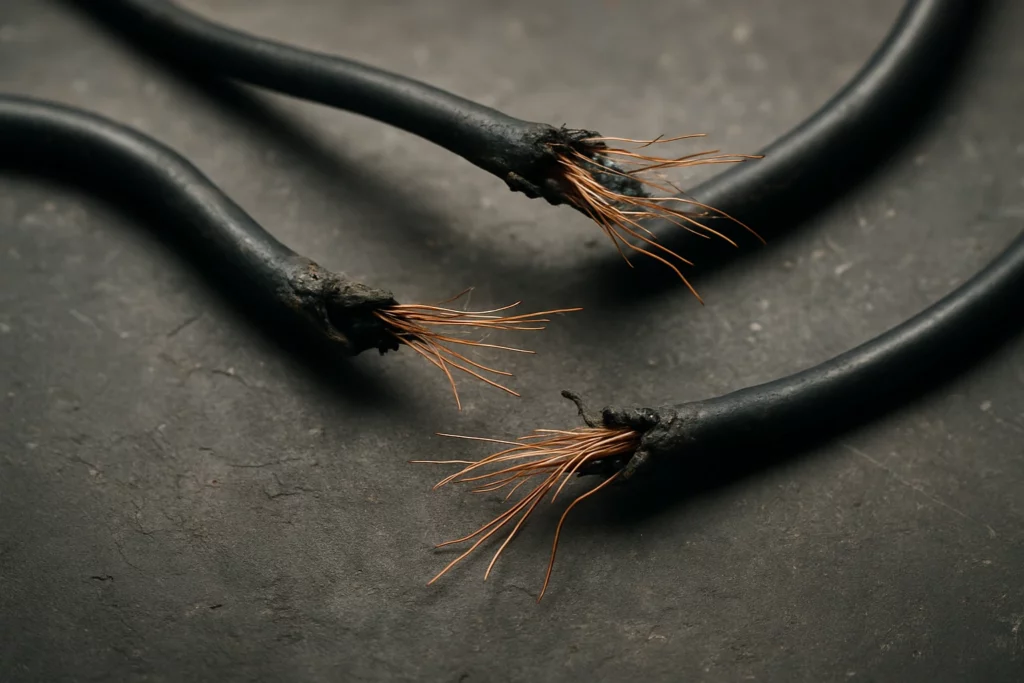
Worn-out or cracked wires on appliances, lamps, or chargers can expose live electricity, posing a risk of electric shock or burns.
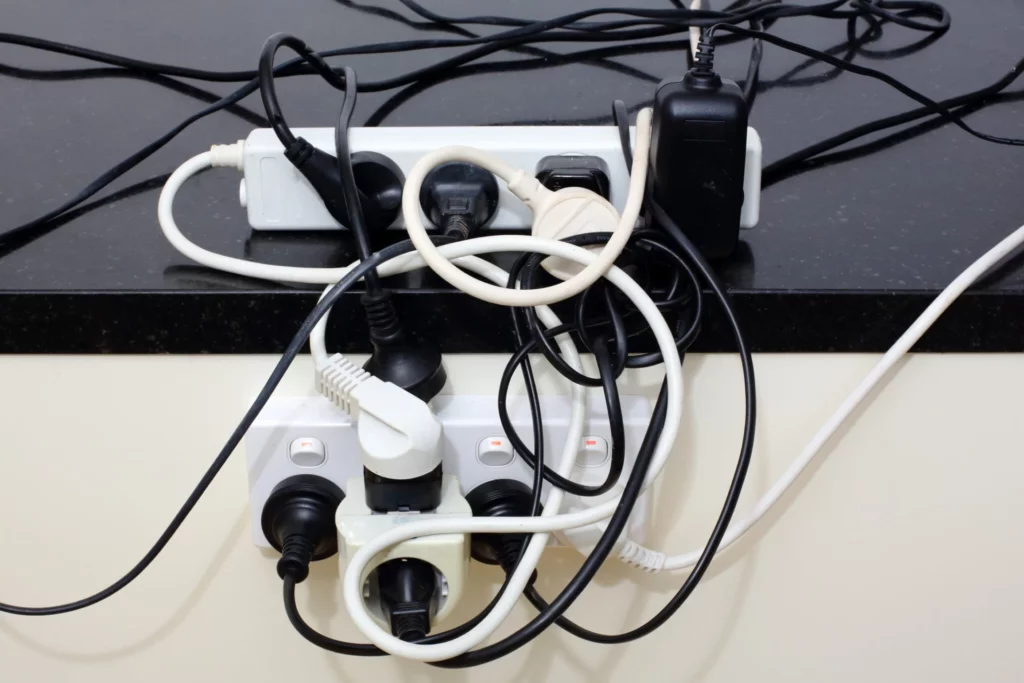
Plugging too many devices into a single outlet or using multiple power strips can overload the circuit, leading to overheating, sparks, or electrical fires.
The most common hazards include overloaded outlets, frayed or damaged cords, using appliances near water, and faulty wiring. These can lead to shocks, burns, or even house fires.
Signs include flickering lights, sparks from outlets, warm or buzzing switches, or a burning smell. These should never be ignored—contact a licensed electrician immediately.
They’re safe for temporary use, but they should not replace permanent wiring. Never plug multiple extension cords together, and always check for damage before use.
Ground Fault Circuit Interrupters (GFCIs) help prevent electric shocks, especially in wet areas like bathrooms and kitchens. They shut off power when they detect a fault. Older homes may need to have them installed.
No. Electrical repairs should always be done by a licensed electrician. DIY repairs can be dangerous and may not meet safety codes.
Stop using it immediately and either replace the cord (if it’s removable) or the appliance. Taping over it is not safe and still poses a fire or shock risk.