
Biological Hazards
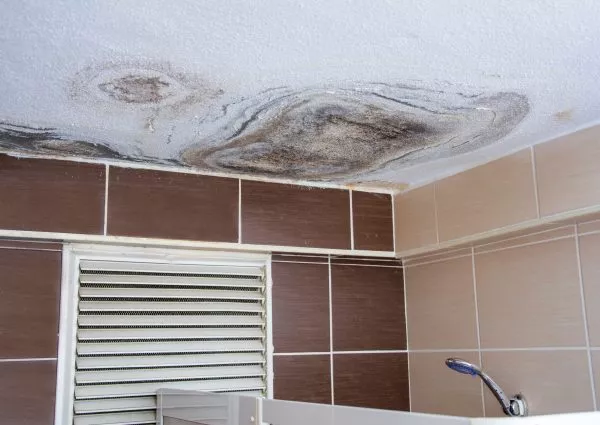
Mold is a type of fungus that grows in damp, poorly ventilated areas like bathrooms, kitchens, basements, and around leaky windows or pipes. It often appears as dark patches or fuzzy spots on walls, ceilings, or furniture. Some molds release mycotoxins, which can harm your health over time. Older adults are especially at risk, as mold exposure can worsen asthma, coughing, sinus issues, and lung infections even for those without mold allergies. If you notice a musty smell that won’t go away, mold may be growing out of sight. Don’t ignore it mold spreads quickly and can silently affect your health.
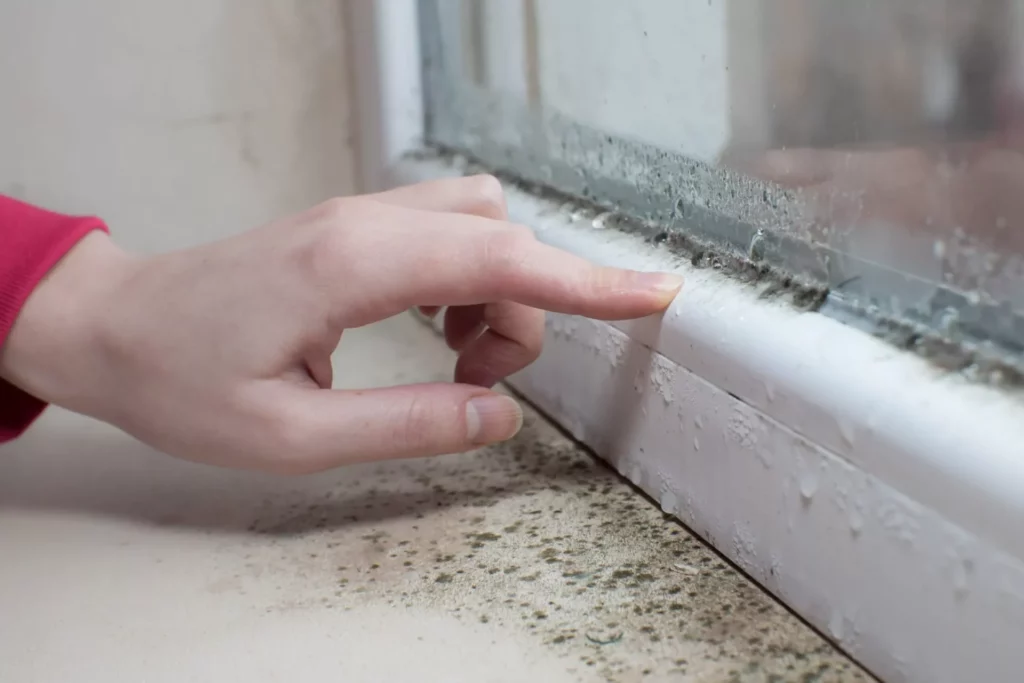
Water leaks are one of the most common causes of mold and mildew in homes. Roof leaks, especially after heavy rain, can lead to hidden mold in ceilings and walls. Leaky pipes, whether under sinks or inside walls, create constant moisture an ideal environment for mold to grow. Even small, unnoticed drips can cause serious damage over time. Fix leaks promptly to prevent mold from spreading and protect your health.
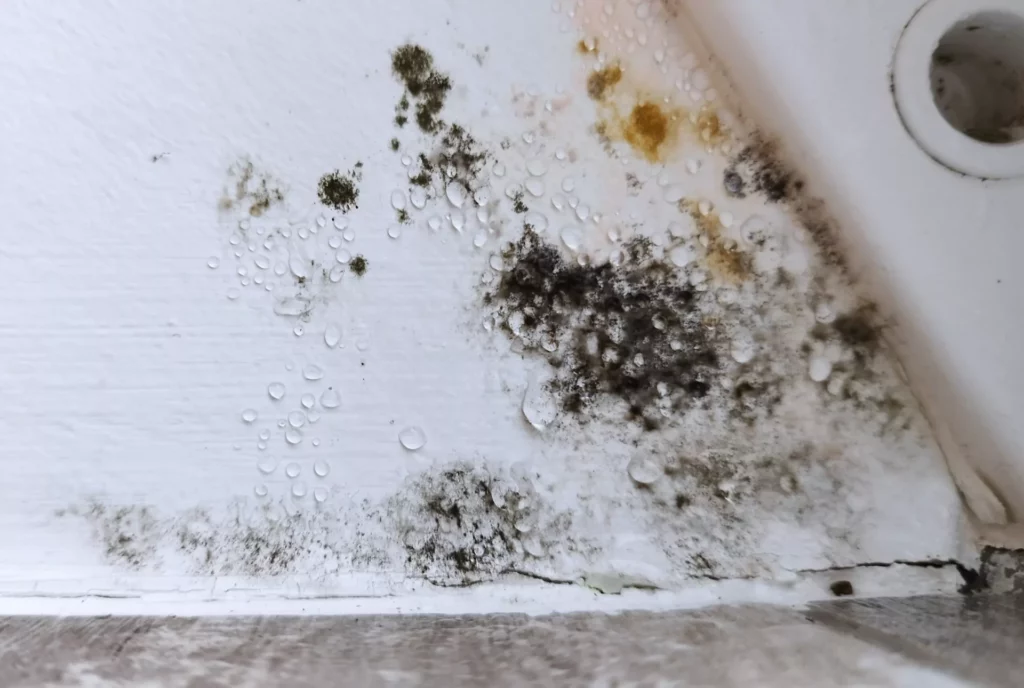
Improper ventilation traps moisture indoors, creating the perfect conditions for mold and mildew to grow. Areas like bathrooms, kitchens, and laundry rooms often build up humidity from showers, cooking, or drying clothes. Without proper airflow, this moisture lingers on walls and ceilings. Using exhaust fans, opening windows, and ensuring good air circulation can help reduce dampness and prevent mold growth.
Mold often grows in damp, humid spaces like bathrooms, kitchens, basements, laundry rooms, and around leaky pipes or windows.
Look for dark patches, fuzzy spots, or a musty smell. Mold can grow out of sight, especially behind walls or under flooring.
Use exhaust fans, open windows, and run a dehumidifier if needed. Aim to keep indoor humidity below 50%.
Yes, small spots can be cleaned with water and vinegar or a mild cleaner. Wear gloves and a mask, and never paint over mold. For larger areas, call a professional.
Yes, if the moisture source isn’t fixed, mold will return. Always address leaks or ventilation issues along with cleanup.
Yes, long-term exposure can affect lung health, especially in older adults or those with weakened immune systems.
Dry the area within 24–48 hours, remove soaked materials if needed, and use fans or dehumidifiers to speed up drying.
Pets don’t directly cause mold, but they can create conditions that support mold growth. Wet fur, urine accidents, and spilled water bowls can leave behind moisture in carpets, bedding, or floors. If not cleaned or dried promptly, these damp areas can become breeding grounds for mold. Regular cleaning, drying your pet after baths or rain, and keeping their bedding and feeding areas dry can help prevent mold problems.