
Natural Disasters
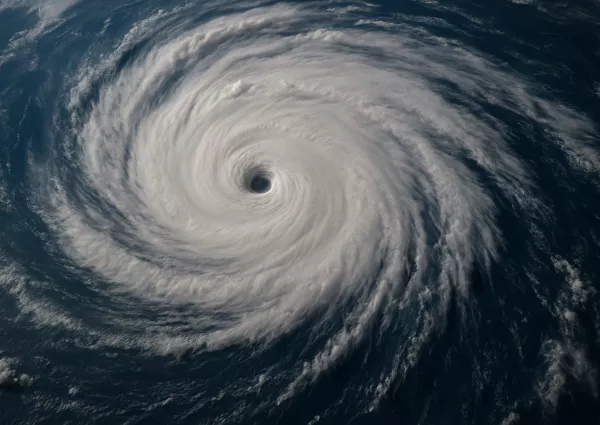
Hurricanes pose serious risks for older adults, especially due to challenges with evacuation, mobility, and access to medical care. Strong winds, flooding, and power outages can disrupt essential equipment, medication, and communication, increasing the chance of injury, illness, or isolation during and after the storm.
Older adults may have mobility challenges, rely on medical equipment, or live alone, making evacuation and response more difficult. Hurricanes can also cause power outages, limit access to medication, and increase risk of injury or illness during and after the storm.
Your kit should have prescription medications, non-perishable food, bottled water, flashlight with batteries, medical supplies, important documents in a waterproof bag, a cell phone charger, and any assistive devices you rely on.
Make sure to fully charge your devices ahead of time and have portable backup batteries or generators if possible. Inform local emergency services ahead of time that you rely on life-sustaining equipment.
If evacuation is advised, don’t wait. Staying home could trap you without power, clean water, or help. Older adults are often more vulnerable to heat, dehydration, or injury during prolonged outages or flooding.
Plan ahead with family, neighbors, or local emergency services. Many communities offer transportation and shelter support for older adults during hurricane emergencies. Sign up in advance if required.
After a hurricane, be cautious of floodwaters, fallen power lines, structural damage, and mold from water intrusion. Avoid drinking tap water until authorities confirm it’s safe.