
Natural Disasters
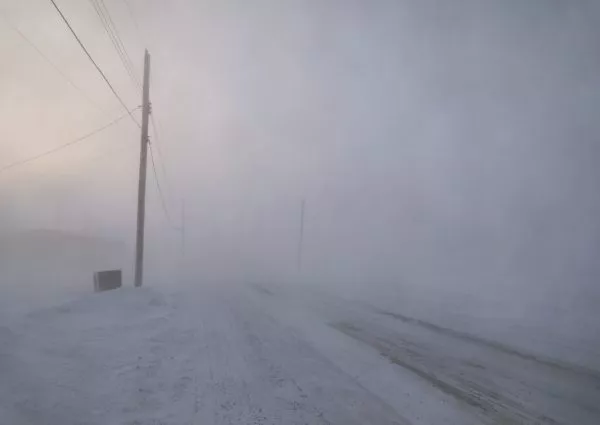
Blizzards pose serious risks due to extreme cold, strong winds, reduced visibility, and heavy snowfall, which can make it dangerous or impossible to leave home. For older adults, the cold can lead to hypothermia, frostbite, or aggravate heart and respiratory conditions. Power outages during blizzards can cut off heat, lighting, and access to medical devices, while icy surfaces increase the risk of slips and falls. Limited mobility, isolation, and difficulty accessing help or supplies make older adults particularly vulnerable during prolonged winter storms.
Blizzards bring extreme cold, snow, and power outages, which can lead to hypothermia, frostbite, or falls on icy surfaces. Older adults may also struggle with mobility, isolation, or using medical equipment without power, increasing health risks during and after the storm.
Your kit should have prescription medications, non-perishable food, bottled water, warm blankets, flashlights with batteries, a fully charged phone, and a battery-powered radio. Include backup power options for any essential medical devices.
Dress in warm layers, stay in one insulated room, and use safe heating alternatives like space heaters (if rated for indoor use). Avoid candles and never use ovens or grills for heat, as they pose fire or carbon monoxide risks.
Stay indoors if possible. If you must go outside, wear sturdy, non-slip boots, use mobility aids with ice tips, and sprinkle salt or sand on walkways. Always walk slowly and keep your hands free to maintain balance.
Yes. Stay in contact with family, caregivers, or neighbors, especially if you live alone. If communication is likely to be disrupted, arrange check-in times before the storm.
It’s best to avoid shoveling if you have heart conditions, joint issues, or breathing problems. Shoveling can be physically intense and dangerous in cold weather. Ask for help or arrange assistance in advance.