
Natural Disasters- Others
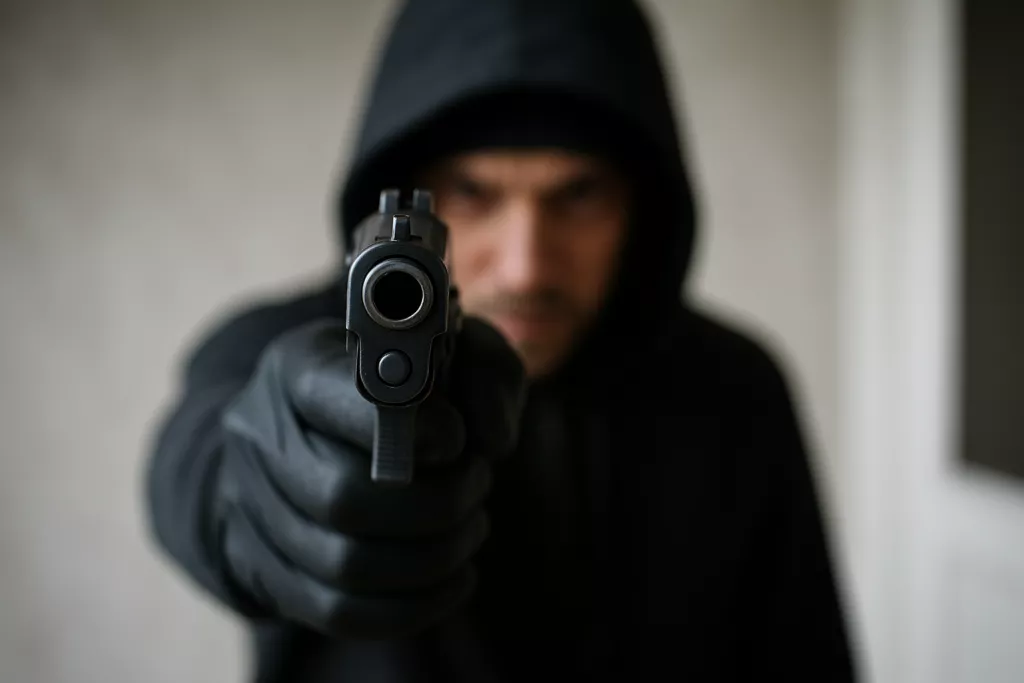
Shootings, whether intentional or accidental, pose serious risks, especially for older adults with limited mobility and slower response times. They may struggle to escape or seek shelter, increasing injury risk. Survivors often face long-term trauma, and repeated incidents can create fear and isolation in their own homes.
Older adults may have limited mobility, slower reaction times, or medical conditions that make it harder to escape quickly, seek shelter, or respond under stress. These factors increase the risk of injury or trauma during shooting incidents.
Stay low and move away from windows. Find a locked, secure room, turn off lights, silence your phone, and remain quiet. Do not leave until authorities declare it safe.
Keep doors and windows locked, install security cameras or alarms, and don’t open the door to strangers. Know where your safest hiding spot is in case of emergency and keep your phone charged and accessible.
Stay aware of your surroundings. Know where exits and solid cover (like concrete walls or counters) are. If a threat occurs, follow the “Run, Hide, Fight” method—run if safe, hide if escape isn’t possible, and defend only as a last resort.
Have a personal safety plan that includes calling for help quickly and identifying safe shelter-in-place options in your home or public areas. Arrange check-ins with caregivers or neighbors, and consider medical alert systems with emergency features.
Yes. Emotional trauma is common after such incidents. Seek support from a counselor, crisis line, or mental health professional, especially if you experience fear, sleep problems, or anxiety afterward.