
Natural Disasters- Others

Domestic violence against older adults can include physical, emotional, verbal, sexual, or financial abuse, often by a partner, caregiver, or family member. It’s frequently underreported due to fear, dependence, or isolation. Victims may suffer from injuries, chronic stress, and emotional trauma, while those with limited mobility or cognitive decline are especially vulnerable. Financial abuse is also common and often hidden. Many older adults stay silent due to threats, shame, or fear of losing support or housing.
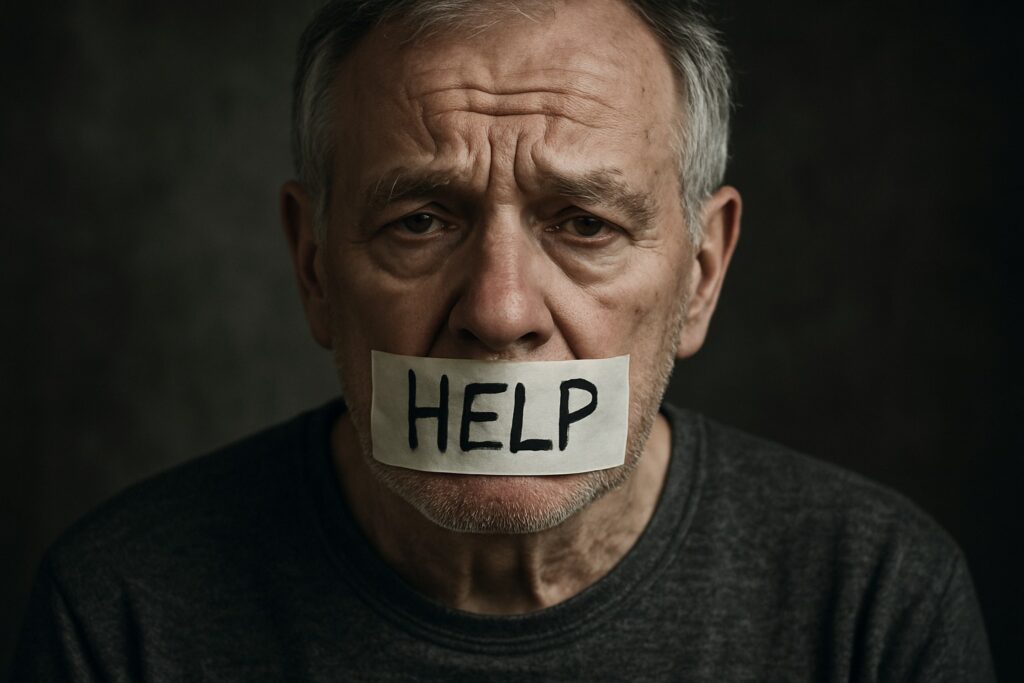
The intentional use of force causing pain, injury, or harm such as hitting, slapping, or restraining.
It can result in visible injuries like bruises or fractures and often escalates over time.

Any unwanted sexual contact, coercion, or assault, including with individuals who cannot consent.
Older adults may face increased vulnerability due to dependence or cognitive decline.
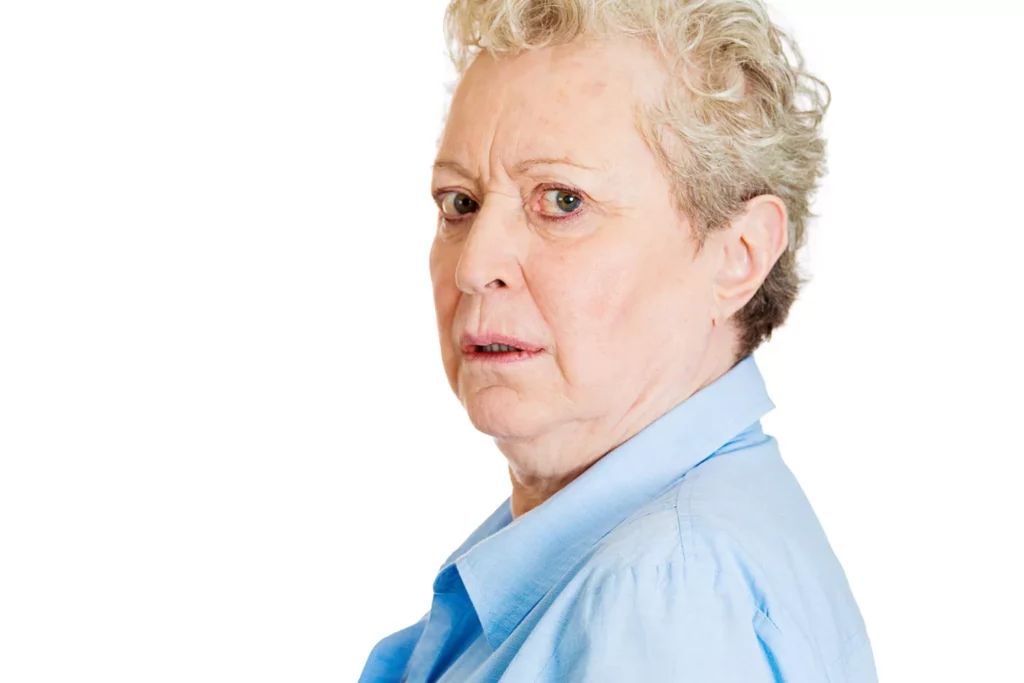
Repeated unwanted attention or monitoring that causes fear like following, calling, or surveillance.
It can lead to emotional distress, anxiety, and loss of a sense of safety in one’s own home.

Verbal threats, humiliation, intimidation, or controlling behavior meant to instill fear or dependency.
It often goes unnoticed but can severely damage self-esteem and emotional well-being.
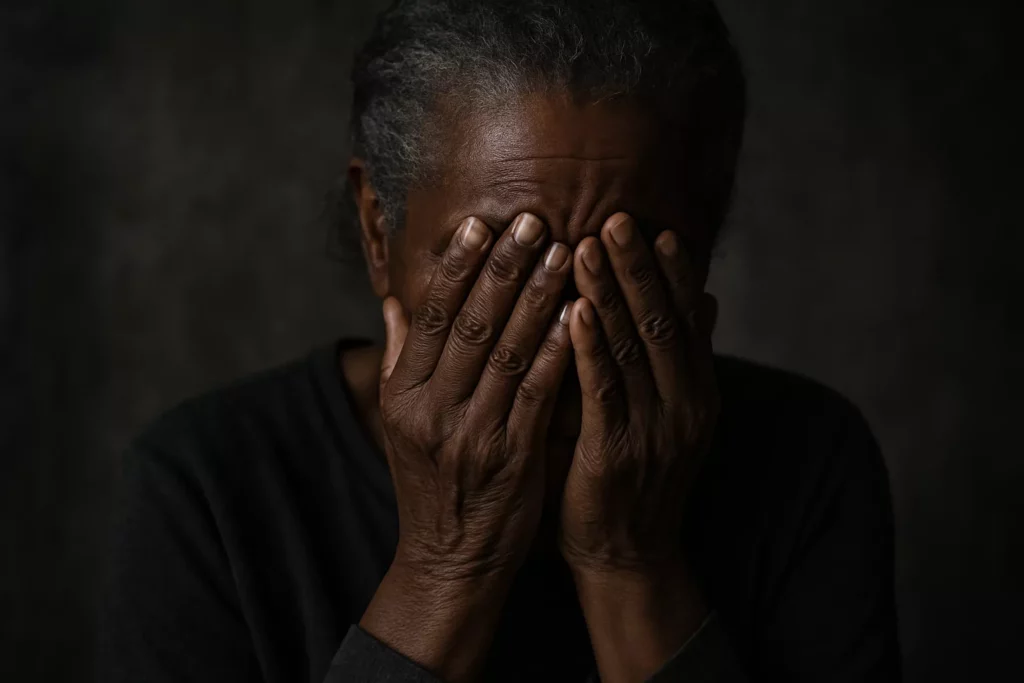
A broader category that includes physical, emotional, sexual, and financial harm against older adults.
Often committed by caregivers or family members, it thrives in isolation and underreporting.

The illegal or improper use of an older adult’s money, property, or assets.
This includes theft, fraud, coercion into changing wills, or denying access to one’s own funds.
Older adults may experience physical, emotional, sexual, financial, and psychological abuse, often by a partner, caregiver, or family member. Abuse can also include neglect or controlling behaviors that limit their freedom or access to help.
Many feel shame, fear, or guilt, or worry about losing their home or caregiver. Some may have cognitive decline, making it harder to express what’s happening, while others feel dependent on the abuser for daily needs.
Unexplained injuries, frequent anxiety or depression, withdrawal from social activities, sudden financial problems, or visible fear of a specific person may all be red flags. Changes in behavior or hygiene can also signal abuse.
Call a domestic violence hotline, adult protective services, or speak to a trusted doctor, social worker, or community leader. Never confront the abuser directly if it puts you or the victim in danger—safety comes first.
Yes. Use code words with trusted individuals, contact help during medical appointments, or discreetly reach out via text, online chat, or community programs. Many resources are trained to assist without putting the victim at further risk.
Support includes emergency shelters, counseling, legal aid, financial assistance, and relocation services. Some programs specialize in elder abuse, offering tailored support for older adults in crisis.