
Natural Disasters- Others
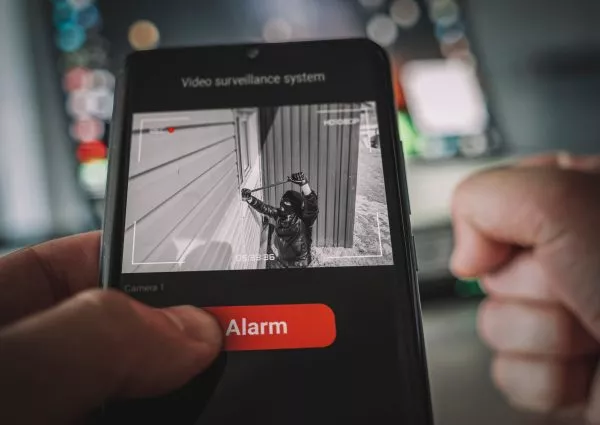
Burglary and break-ins threaten both personal safety and emotional security, especially for older adults who may live alone. Unsecured doors, poor lighting, or a lack of alarms increase risk. In some cases, intrusions can escalate into assault or fatal shootings, posing an immediate threat to life. Limited mobility and slower response time make it harder for older adults to escape or call for help, increasing vulnerability during such incidents.
Break-ins, burglaries, and shootings are serious safety threats that can cause physical harm, theft, and long-term emotional trauma. Older adults, especially those living alone, are more vulnerable due to limited mobility and slower response time.
Install secure locks, use peepholes or video doorbells, and ensure your home’s exterior is well-lit with motion-sensor lights. Never open the door to strangers, and consider using a monitored home security system.
Yes. Surveillance systems, smart doorbells, and monitored alarms can deter criminals and provide early warnings. They also allow remote check-ins by family or caregivers if needed.
Call 911 immediately, stay quiet, and move to a secure room with a lockable door if possible. Avoid confronting the intruder. Keep a charged phone nearby at all times for emergencies.
Have a safe room plan, identify areas with solid cover, and know how to lock down quickly. Consider a medical alert system with emergency response features, especially if you live alone or have health conditions.