
Biological Hazards
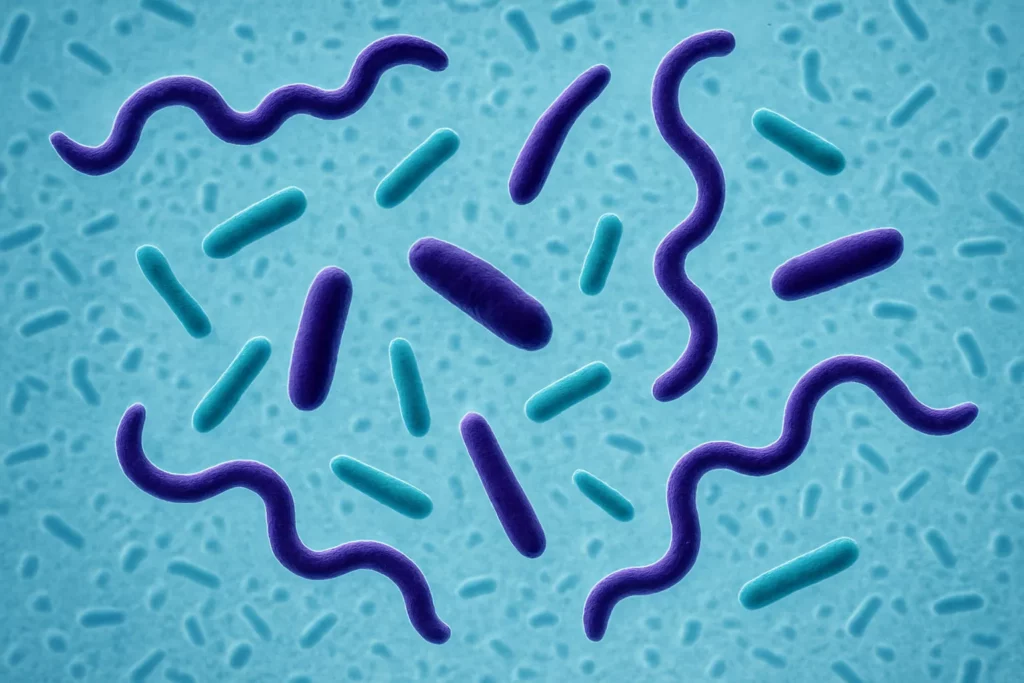
Infectious agents like bacteria, viruses, and fungi can be found on commonly touched surfaces, in the air, and in damp areas of the home. These organisms can cause illness or infections, particularly in older adults with weakened immune systems.

People and pets can bring infectious agents into the home. This includes coughs, sneezes, unwashed hands, or dirty shoes in humans, and pet saliva, fur, waste, or paws in animals. These can carry viruses, bacteria, or parasites that contaminate surfaces and indoor air.
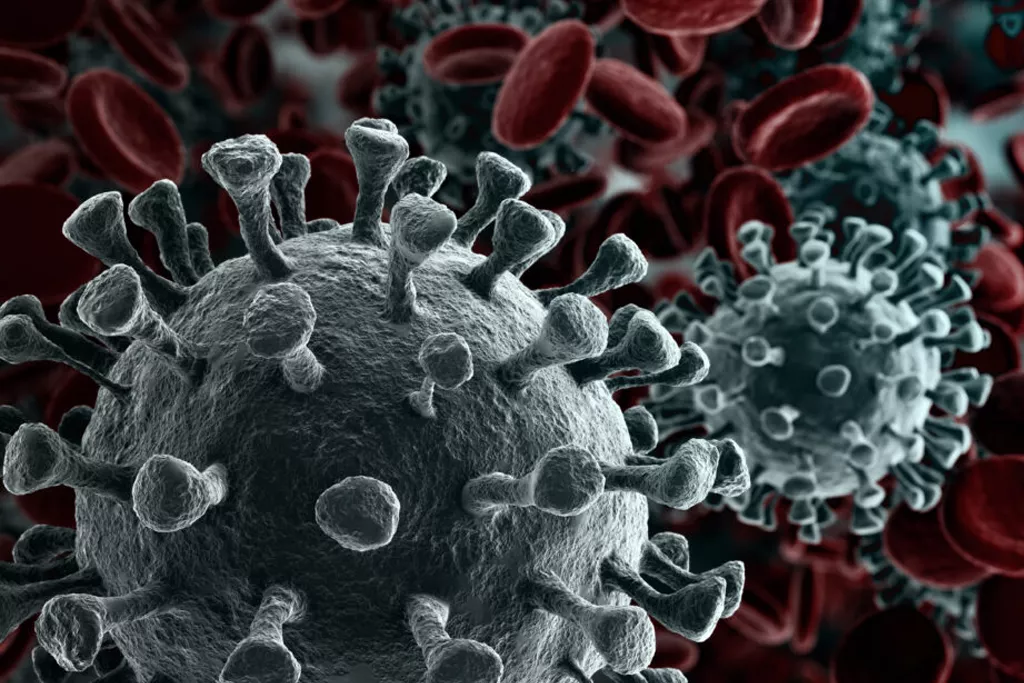
Frequently touched surfaces like doorknobs, kitchen counters, remote controls, toilets, and faucets can harbor bacteria and viruses. Shared items such as sponges, cutting boards, towels, or bedding can also spread pathogens if not cleaned regularly.

Rotten food, improperly stored leftovers, or raw meat and dairy can harbor harmful bacteria such as Salmonella, Listeria, and E. coli. These pathogens can lead to foodborne illnesses, especially in older adults whose immune systems may be less resilient. Cross-contamination during food prep (e.g., using the same cutting board for raw meat and vegetables) also increases risk.
Infectious agents include bacteria, viruses, and fungi. They can be found on kitchen surfaces, doorknobs, bathroom fixtures, in damp areas, and on items like sponges, towels, and electronics.
They spread through touching contaminated surfaces, airborne droplets from coughing or sneezing, improper food handling, or through pets and shoes bringing in germs from outside.
They can lead to respiratory infections, stomach illnesses, skin rashes, or worsen existing conditions like asthma or allergies, especially in older adults or those with weakened immune systems.
High-touch surfaces like doorknobs, countertops, light switches, and phones should be disinfected daily, especially during cold, flu, or allergy seasons.
Yes, pets can carry bacteria, parasites, or viruses on their fur, paws, or saliva. Regular grooming, cleaning pet areas, and washing hands after contact helps reduce risk.
Keep raw meats separate, use clean cutting boards, store food at the correct temperature, and discard leftovers that are more than a few days old. Always wash hands before and after handling food.
Yes. Some fungi, including molds, can affect respiratory health. They grow in damp, poorly ventilated areas and can produce spores that are harmful when inhaled over time.