
Biological Hazards
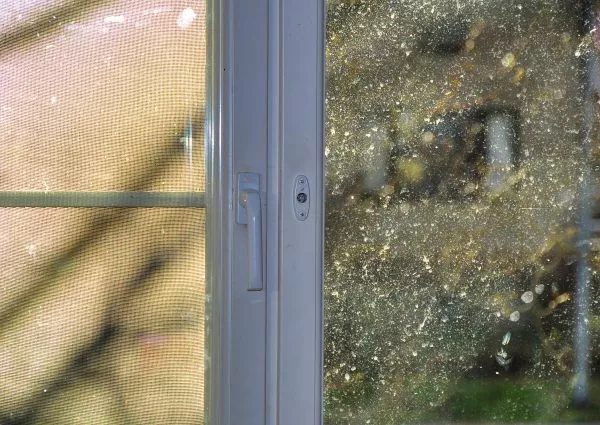
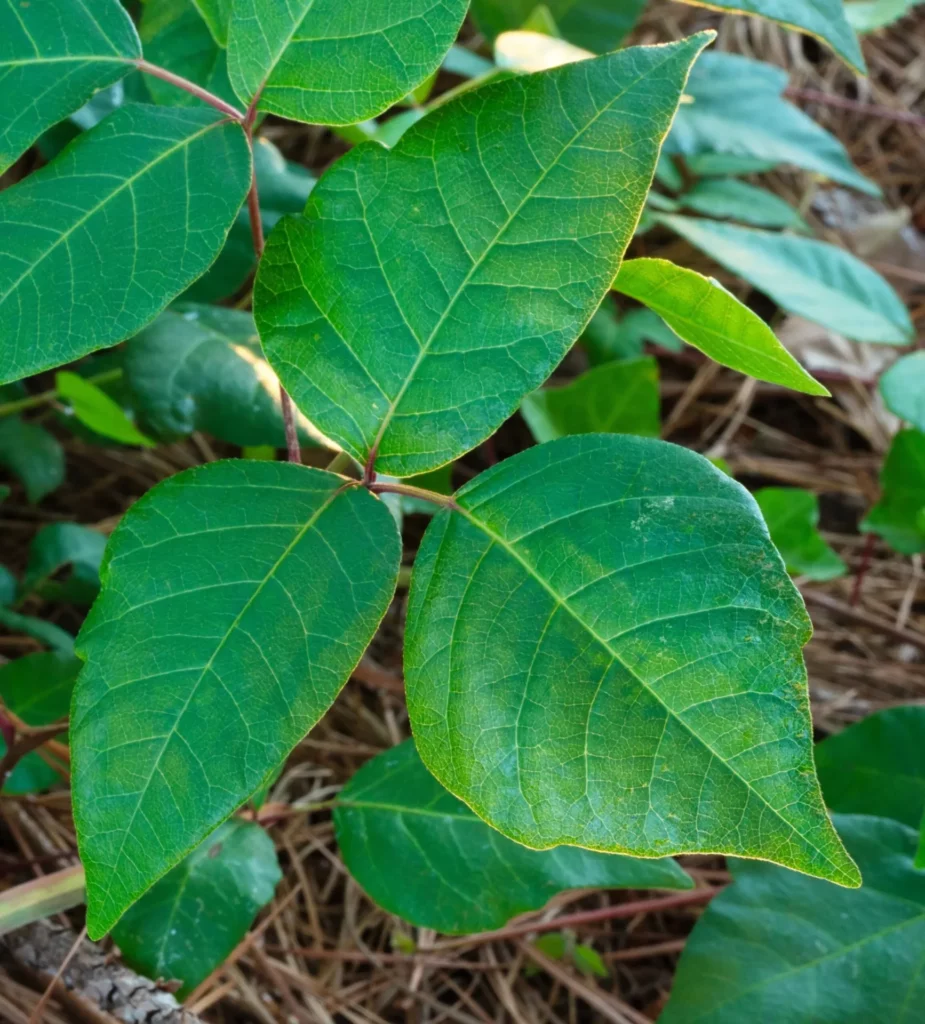
Pollen and houseplants, while often overlooked, can trigger allergic reactions and respiratory issues, especially in older adults with weakened immune or lung function. Pollen from flowering plants, whether indoors or coming in from open windows, can cause sneezing, runny nose, watery eyes, and even asthma attacks. Some indoor plants like Peace Lily, Areca Palm, Ficus (Rubber Plant), English Ivy, and Philodendron can promote mold growth in damp soil or release volatile organic compounds (VOCs) that irritate sensitive lungs. Others may attract pests like gnats, mites, or shed fine plant particles that worsen indoor air quality. For older adults, prolonged exposure can lead to chronic irritation, fatigue, or worsen pre-existing lung or heart conditions.
Yes, some indoor plants can release pollen, mold spores, or even volatile organic compounds (VOCs), all of which can trigger allergies, asthma, or respiratory irritation, especially in older adults with sensitive lungs.
Plants like Peace Lily, Areca Palm, Ficus (Rubber Plant), Philodendron, and English Ivy are known to cause allergic reactions or promote mold growth in their soil.
Low-allergen indoor plants include snake plant, spider plant, bamboo palm, aloe vera, and succulents. These plants produce minimal pollen and are generally safer for indoor air quality.
Yes. Pollen can enter through open windows, doors, clothing, and even pets. During high pollen seasons, it’s best to keep windows closed and wipe down surfaces often.
Use well-draining pots, avoid overwatering, let the topsoil dry out between waterings, and clean plant containers regularly to prevent mold growth.
Not necessarily. It’s about making smart choices. Stick to low-pollen, low-maintenance plants, limit the number of plants indoors, and focus more on outdoor greenery if you have allergies or breathing concerns.