Swimming Pool
Dangers
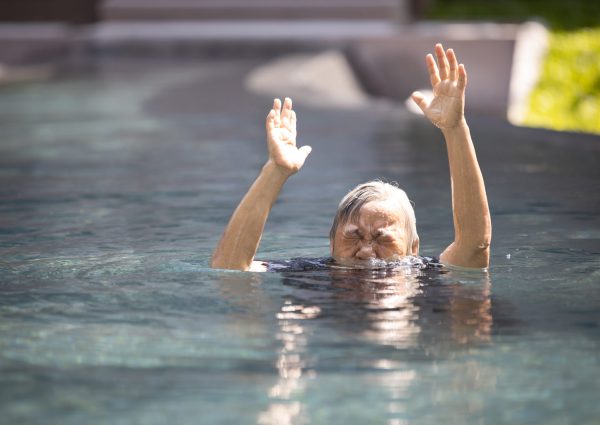
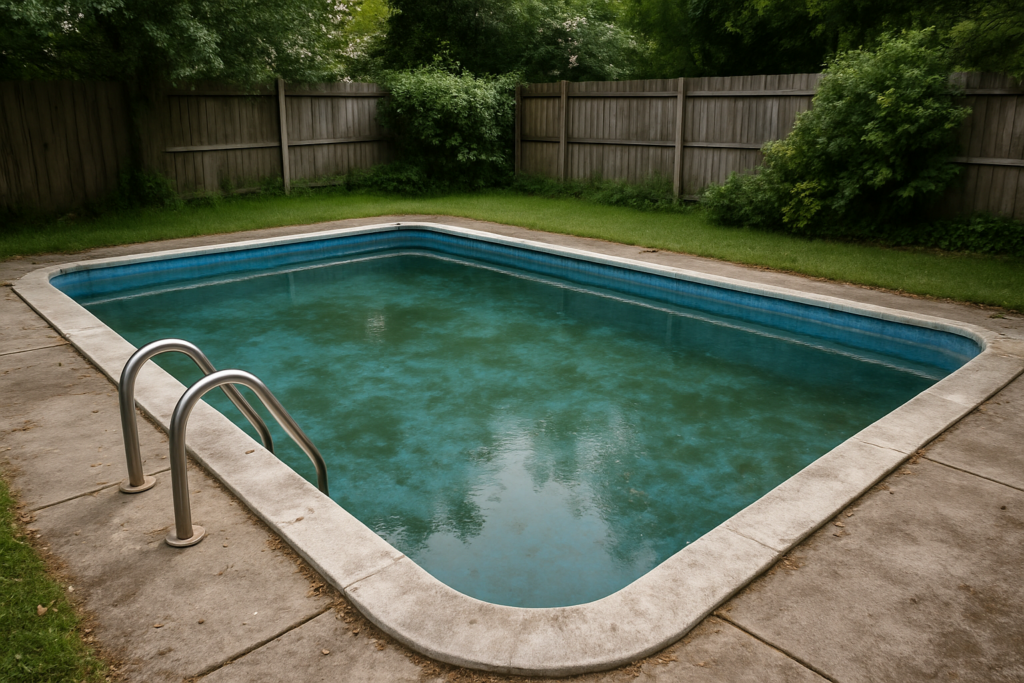
Swimming pools, while enjoyable and a great way to stay active, can pose several health and safety risks especially for older adults. If the pool water is not properly treated or filtered, it can harbor harmful bacteria, viruses, and parasites such as E. coli, Cryptosporidium, or Legionella, which can cause skin rashes, ear infections, stomach issues, and even respiratory illness. Additionally, being under the influence of alcohol or medications that affect balance, coordination, or alertness increases the risk of drowning or accidents. Slippery surfaces around the pool edge also present a serious fall risk, which can lead to fractures or head injuries, particularly in older adults with limited mobility or balance issues. Staying hydrated, avoiding solo swims, and ensuring pool cleanliness can help reduce these hazards.
How to Limit & Avoid Risks Associated with Swiming Pool
- Ensure the pool is properly maintained — Regularly check chlorine and pH levels to prevent bacteria and virus growth.
- Swim under supervision in commercial or gym pools, especially if you have medical conditions or limited mobility—trained staff can assist in case of emergency and ensure safety protocols are followed.
- Avoid swimming in cloudy or dirty water, which may contain harmful germs like E. coli or Cryptosporidium.
- Shower before and after swimming to reduce the spread of germs and protect your skin.
- Never swim alone, especially if you have balance issues or take medications that affect alertness.
- Avoid swimming if under the influence of alcohol or medications that cause drowsiness, dizziness, or confusion.
- Use non-slip mats or footwear around pool areas to prevent slips and falls.
- Walk, don’t run, near the pool—wet surfaces can be extremely slippery.
- Use handrails when entering or exiting the pool to maintain balance.
- Stay hydrated and take breaks, especially on hot days, to prevent dizziness or overheating.
- Avoid swimming if you have open wounds or infections, which can both spread germs and become worse in the water.
- Keep pool chemicals stored safely, away from children and pets, and use them according to guidelines.
Frequently Asked Questions
Q.1 Can I get sick from swimming in a dirty pool?
Yes. Poorly maintained pools can contain bacteria, viruses, and parasites like E. coli, Cryptosporidium, and Legionella, which may cause skin rashes, stomach illness, ear infections, or breathing problems.
Q.2 Is it safe to swim while on medication?
It depends on the medication. Some drugs can cause drowsiness, dizziness, or confusion, increasing the risk of drowning or injury. Always consult your doctor before swimming if you’re taking new or sedating medications.
Q.3 Why are older adults more at risk around pools?
Balance issues, slower reflexes, and weaker bones make older adults more vulnerable to slips, falls, and drowning, especially on wet surfaces or when climbing in and out of the pool.
Q.4 How do I know if a pool is safe to swim in?
The water should be clear, with a slight chlorine smell, and the surfaces should be clean and not slimy. Avoid pools that are cloudy, green, or smell strongly of chemicals or mildew.
Q.5 What should I do to prevent slipping near the pool?
Walk slowly, wear non-slip footwear, and use handrails when available. Keep towels and objects off walkways to avoid tripping hazards.
Q.6 Can open wounds get infected in pool water?
Yes. Even in clean water, open cuts or sores are at risk of infection. It’s best to cover wounds with waterproof bandages or avoid swimming until healed.
References & Helpful Articles
- https://www.cdc.gov/healthy-swimming/safety/what-you-can-do-to-stay-healthy-in-hot-tubs.html
- https://www.cdc.gov/drowning/prevention/index.html
- https://www.cdc.gov/healthy-swimming/prevention/index.html
- https://www.cdc.gov/healthy-swimming/safety/what-you-can-do-to-stay-healthy-in-swimming-pools.html
- https://www.epa.gov/watersense/pool-water-efficiency