
Natural Disasters
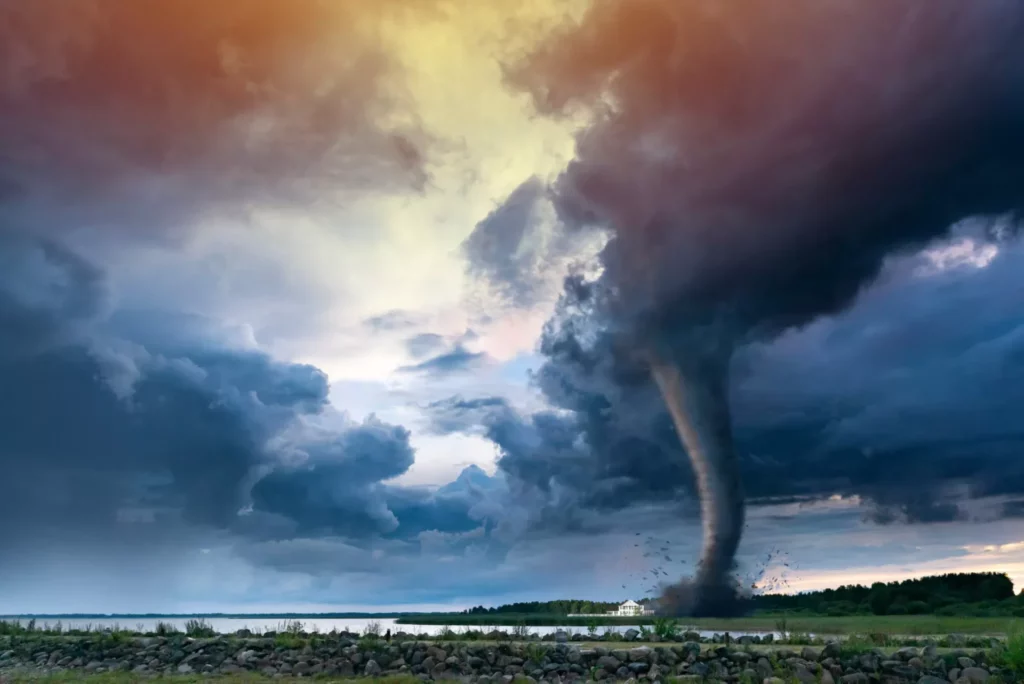
Tornadoes pose a significant threat due to their sudden onset and extreme force, often leaving little time to react. For older adults, the danger is even greater due to limited mobility, hearing or vision impairments, and difficulty accessing safe shelter quickly. Power outages, debris, and blocked exits can further delay escape or rescue. Without proper warning systems or support, older individuals are at high risk of injury, disorientation, or even entrapment during and after a tornado. Being unprepared can lead to serious harm or fatal consequences in just minutes.
Older adults may have limited mobility, hearing or vision impairments, and slower response times, which can make it harder to reach shelter quickly or recognize warning signs—putting them at greater risk of injury or entrapment during a tornado.
If there’s no basement, go to a small, windowless interior room on the lowest floor, such as a bathroom, hallway, or closet. Avoid rooms with windows or exterior walls.
Use a NOAA weather radio, emergency alert apps, or sign up for local alert systems to receive real-time warnings, especially if you don’t always watch TV or check your phone.
Your kit should include medications, water, flashlight, batteries, a whistle, important documents, contact numbers, and a cell phone charger. If you use mobility aids or medical devices, pack backups or labels with instructions.
No. Always use stairs, as power outages or building damage during a tornado can trap you inside an elevator.
Arrange for a neighbor, caregiver, or family member to check on you during storms, and register with local emergency services that support older adults during disasters.